Tips for Buying Used CNC Machines
Key Highlights
- Thoroughly inspect the machine's physical condition.
- Review maintenance logs and service records.
- Assess accuracy, and perform test cuts to confirm precision and repeatability.
- Conduct a comprehensive electrical system check.
- Evaluate lubrication and coolant systems.
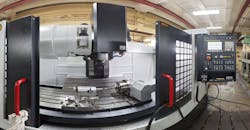
An investment in used CNC machines could save your operation a substantial amount of money. Many of these machines are used for only short periods of time and, when well-maintained, can deliver significant cost savings to machine shop operators and managers. However, there is a trick in knowing when a used CNC machine is a good investment and not a money pit you're about to sink into.
To be worthy of investment, a CNC machine must be able to meet precision and efficiency standards. If you’re going to purchase used equipment, you need a straightforward method to inspect a potential machine to uncover critical limitations.
Inspect machine condition, maintenance history
The overall condition of the equipment is a solid indication of expected performance. Any system with significant wear and tear may be more likely to break down or require costly upgrades.
Inspect the CNC machine’s spindle, ball screws, tool changes, and way covers as a starting point. Look under and throughout the machine for indications of rust or fluid leaks. Look for areas that are vibrating excessively and missing bolts or panels. Cracks or dents could also alter the efficiency and precision of the machine.
Just as vital is the maintenance history of the equipment. A system that does not have a maintenance history should send up warnings. A lack of documented maintenance may not be a deal breaker after a formal mechanical inspection, but it should be a warning that additional insight is necessary.
Ensure the CNC machine receives routine maintenance on a consistent basis. Compare this to the manufacturer’s recommended preventative maintenance tasks. In the machine’s maintenance and documentation records, look for:
- Maintenance logs documenting when the system was maintained, including what was done
- Repair notes about what specific components need repair (and how many times)
- Replacements completed, including any new equipment added to the system
- Available electrical schematics
- Manufacturer’s operator manuals
When buying through a used equipment auction, maintenance logs and service records may be limited or missing, so plan for a deeper mechanical inspection to fill those gaps. When documentation is available, use it to confirm what you see on-site and then transition to the next step — hands-on checks of the spindle, bearings, and other wear components.
Inspect spindle, bearings closer. To ensure good performance, carefully inspect both the bearings and the spindle. These must be in solid condition without any abnormal noise or vibration when operating. Spindle failure is a common problem in used CNC machines and leads to costly repairs.
Also note any excessive areas of wear on the spindle and bearings. Discoloration here could indicate significant heat from prolonged use and inconsistent maintenance.
It is also wise to inspect the tool changer at this point. Ensure it is operating smoothly. If there is any sticking or misalignment, this could mean it will take more time to get it ready for production use.
Learn cutting hours, usage. When possible, ask for the total cutting hours for the machine. This differs from the number of power-on hours. This provides insight into the workload the machine had as well as its potential lifespan beyond this point. If there are long cutting hours, the equipment may require more frequent repair and updates to keep it operational.
If it is a newer machine but has high hours, this may mean the equipment is in poor condition when compared to an older CNC machine with fewer hours used. Light-duty machining can extend the lifespan of equipment far longer than machines used constantly.
Machine accuracy, repeatability. More challenging to inspect - but even more critical - is a machine’s performance record. Used CNC machinery must maintain tight tolerances to ensure manufacturing precision. Over time, older or more heavily used machines will have worn components that create accuracy problems. Ultimately, this impacts the quality of parts produced.
To inspect for machine accuracy, look at the ball screws, linear guides, and encoders. Look for any bare and worn areas. Next, check the inspection reports and accuracy tests provided. These should be carefully reviewed to ensure you know exactly what you are investing in. Finally, when possible, perform a test cut using a caliper or CMM. This ensures you know exactly what quality you can expect.
The guideways and ball screws provide insight into the precision, quality, and repeatability of these systems. Components must operate in a frictionless and accurate movement to create the precision necessary for most machined parts. Look for wear and scoring on the guideways.
Electrical system inspection
An overall electrical system inspection is necessary to ensure both safety and reliability. CNC machines rely on numerous wires and connections to transfer information throughout the system, ensuring proper function. Yet, electrical systems, including wire and connection ports, are common areas for wear and tear, especially in machines not properly or frequently maintained.
If you notice frayed or exposed wires, that’s cause for concern. Loose conditions can indicate damage, not just the need to tighten them. Any evidence of corrosion on the terminals should be carefully inspected.
Next, inspect the control panel as a component of the electrical process. It should function smoothly with an interface that is clear and easy to use. Spend some time on the control panel, looking for any indication of concerns, including on the display, buttons, and wiring. If there is any lack of function or delay in function, an electrical inspection of those components is necessary. All buttons and switches should operate effectively, and no error messages should display when starting it up.
Inspect CNC control software
Today’s used CNC machines must have modern and accessible software that is up to date, secure, and compatible with the hardware and software you are currently using. First, consider the physical functionality of the control panel and overall software inputs. If there are any software errors when operating or loading, take note of this.
Next, consider the CNC control brand and model to ensure it is both compatible with your systems and that there are software updates and support available for it. Very old systems may no longer have critical support. Ensure it is compatible with the current CAD and CAM software your company is using.
Next, consider if the control supports direct numerical control (DNC). If so, that ensures data transfer will be smoother and more efficient overall.
Lubrication and coolant systems
Look for not only leaks but also conduct a full inspection of the cooling and lubrication system. When properly maintained, these two components extend the life of any CNC machine. When poorly maintained, the system is more prone to overheating and corrosion development. Ultimately, components fail as a result.
To spot any concerns, look at the filtration system for any debris buildup. This is likely to be obvious. Next, consider the coolant tank. Is there debris there? Are there signs of leaks?
Next, look at the lubrication lines. Ensure they are also leak-free and clear to ensure proper movement of fluid. The high-pressure coolant system should also be in good, functional order.
Accessories and upgrades
The next consideration is any adaptations, modifications, or accessories added to the system. Any additional features or specifications added to the system need proper inspection as well. This can add to the system’s capabilities if those components are in good working order and adaptable to your project.
Seek out probing systems to ensure precision measurement is possible. You may also look to determine if the system has a chip conveyor, mist collector, or pallet changer, all solutions that can improve efficiency and operational clarity. If there are any aftermarket products or upgrades added, especially automation integration, ensure they were done professionally.
Careful consideration of all of these factors provides insight into what type of maintenance, upkeep, and investment your organization must make to put this CNC machinery into place within your business. Evaluate these details carefully to ensure your investment meets your needs.
About the Author
Kelly Zurawski
Kelly Zurawski is a co-owner of Bid Equip, which transports heavy equipment, industrial machinery, metalworking machinery, and much more. Zurawski holds a Master’s degree in leadership development.